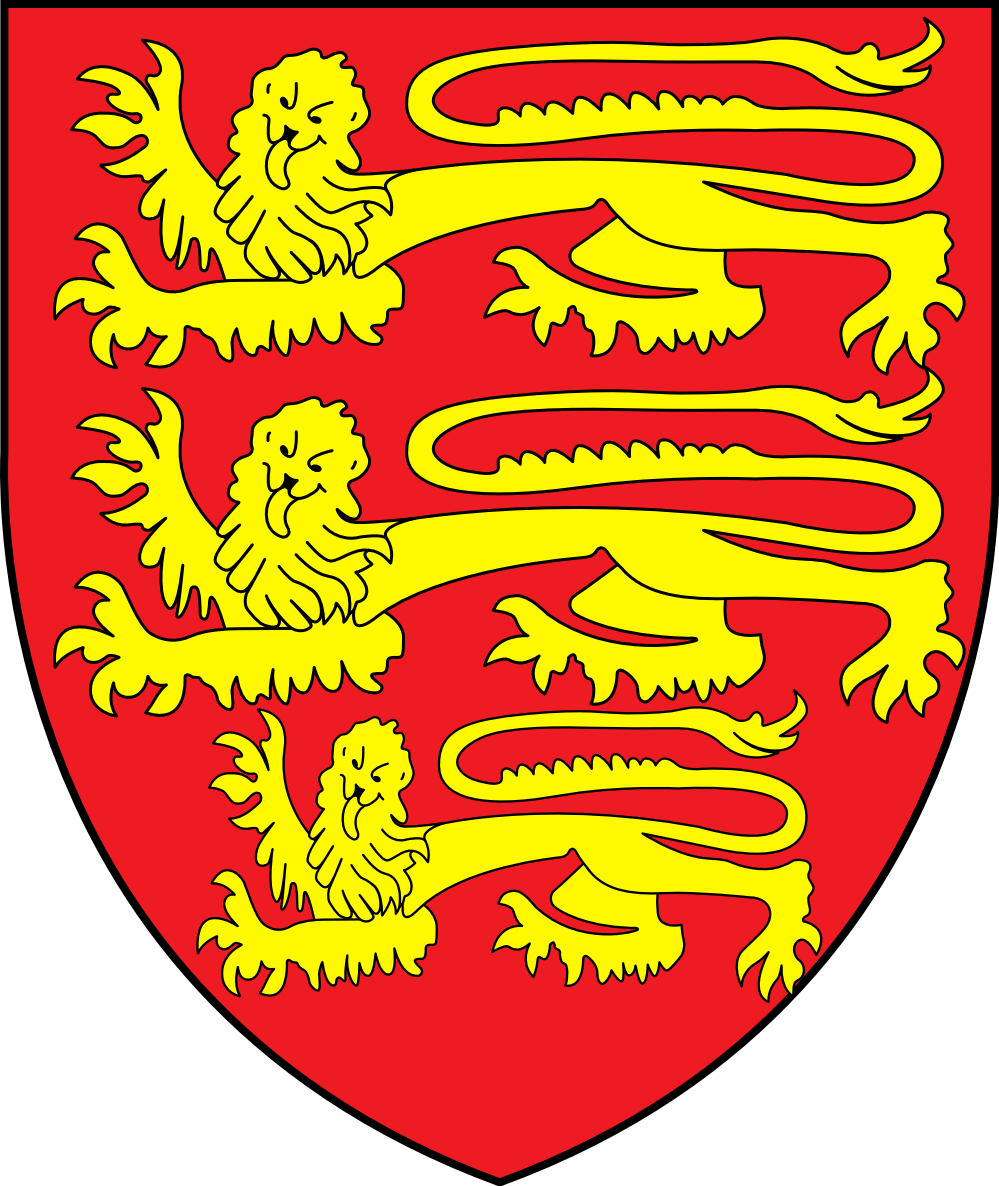
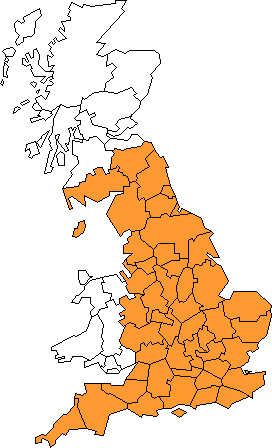
England is a country, which is part of the United Kingdom. Its inhabitants account for more than 83% of the total UK population, whilst its mainland territory occupies most of the southern two-thirds of the island of Great Britain. England shares land borders with Scotland to the north and Wales to the west and elsewhere is bordered by the North Sea, Irish Sea, Celtic Sea, Bristol Channel and English Channel. The capital is London, the largest urban area in Great Britain, and the largest urban zone in the European Union by most, but not all, measures.
England became a unified state in the year 927 and takes its name from the Angles, one of the Germanic tribes who settled there during the 5th and 6th centuries. It has had a significant cultural and legal impact on the wider world being the place of origin of the English language, the Church of England and English law, which forms the basis of the common law legal systems of many countries around the world. In addition, England was the birthplace of the Industrial Revolution being the first country in the world to become industrialised. It is home to the Royal Society, which laid the foundations of modern experimental science. England is the world's oldest parliamentary democracy and consequently many constitutional, governmental and legal innovations that had their origin in England have been widely adopted by other nations.
Geography
England comprises the central and southern two-thirds of the island of Great Britain, plus offshore islands of which the largest is the Isle of Wight. It is bordered to the north by Scotland and to the west by Wales. It is closer to continental Europe than any other part of Britain, divided from France only by a 24-statute mile (52 km or 21 nautical mile)sea gap. The Channel Tunnel, near Folkestone, directly links England to the European mainland. The English/French border is halfway along the tunnel.
Much of England consists of rolling hills, but it is generally more mountainous in the north with a chain of low mountains, the Pennines, dividing east and west. Other hilly areas in the north and Midlands are the Lake District, the North York Moors, and the Peak District. The approximate dividing line between terrain types is often indicated by the Tees-Exe line. To the south of that line, there are larger areas of flatter land, including East Anglia and the Fens, although hilly areas include the Cotswolds, the Chilterns, the North and South Downs, Dartmoor and Exmoor.
England has a temperate climate, with plentiful rainfall all year round, although the seasons are quite variable in temperature. However, temperatures rarely fall below -5 °C (23 °F) or rise above 30 °C (86 °F). The prevailing wind is from the south-west, bringing mild and wet weather to England regularly from the Atlantic Ocean. It is driest in the east and warmest in the south, which is closest to the European mainland. Snowfall can occur in winter and early spring, although it is not that common away from high ground.
Economy
England's economy is the second largest in Europe and the fifth largest in the world. It follows the Anglo-Saxon economic model. England's economy is the largest of the four economies of the United Kingdom, with 100 of Europe's 500 largest corporations based in London. As part of the United Kingdom, England is a major centre of world economics. One of the world's most highly industrialised countries, England is a leader in the chemical and pharmaceutical sectors and in key technical industries, particularly aerospace, the arms industry and the manufacturing side of the software industry.
Traditional heavy and manufacturing industries have declined sharply in England in recent decades, as they have in the United Kingdom as a whole. At the same time, service industries have grown in importance. For example, tourism is the sixth largest industry in the UK, contributing 76 billion pounds to the economy. It employs 1,800,000 full-time equivalent people-6.1% of the working population (2002 figures).The largest centre for tourism is London, which attracts millions of international tourists every year.
Demography
With 50,431,700 inhabitants (84% of the UK total), England is the most populous and most ethnically diverse nation in the United Kingdom. If it were a sovereign state, England would have the fourth largest population in the European Union and would be the 25th largest country by population in the world.
England's population continues to grow. While the percentage of people over 65 increases, the percentage of people under 16 is falling, meaning the country's population is ageing overall. With a density of 383 people per square kilometre (992/sq mi), it is one of the most densely populated countries in Europe, second only to the Netherlands.
The ethnic background of the English populace, before 19th and 20th century immigration, was a mixed European one deriving from historical waves of Celtic, Roman, Anglo-Saxon, Norse, and Norman invasions, along with the possible survival of pre-Celtic ancestry. Genetic studies have shown that the modern-day English gene pool contains more than 50% Germanic Y-chromosomes.
The economic prosperity of England has also made it a destination for economic migrants from Scotland, Wales, Northern Ireland and the Republic of Ireland. This was particularly true during the Industrial Revolution.
Since the fall of the British Empire, many denizens of former colonies have migrated to Britain including the Indian sub-continent and the British Caribbean. A BBC-published report of the 2001 census, by the Institute for Public Policy Research stated that the vast majority of immigrants settled in London and the South East of England. The largest groups of residents born in other countries were from the Republic of Ireland, India, Pakistan, Germany, and the Caribbean.
About half the population increase between 1991 and 2001 was due to foreign-born immigration. In 2004 the number of people who became British citizens rose to a record 140,795-a rise of 12% on the previous year. The number had risen dramatically since 2000. The overwhelming majority of new citizens come from Africa (32%) and Asia (40%), the largest three groups being people from India, Pakistan and Somalia. One in five babies in the UK are born to immigrant mothers, according to official statistics released in 2007. 21.9% of all births in the UK in 2006 were to mothers born outside the United Kingdom compared with just 12.8% in 1995. As of 2007, 22% of primary school children and 17.7% of children at secondary school in England were from ethnic minority families.
England became a unified state in the year 927 and takes its name from the Angles, one of the Germanic tribes who settled there during the 5th and 6th centuries. It has had a significant cultural and legal impact on the wider world being the place of origin of the English language, the Church of England and English law, which forms the basis of the common law legal systems of many countries around the world. In addition, England was the birthplace of the Industrial Revolution being the first country in the world to become industrialised. It is home to the Royal Society, which laid the foundations of modern experimental science. England is the world's oldest parliamentary democracy and consequently many constitutional, governmental and legal innovations that had their origin in England have been widely adopted by other nations.
Geography
England comprises the central and southern two-thirds of the island of Great Britain, plus offshore islands of which the largest is the Isle of Wight. It is bordered to the north by Scotland and to the west by Wales. It is closer to continental Europe than any other part of Britain, divided from France only by a 24-statute mile (52 km or 21 nautical mile)sea gap. The Channel Tunnel, near Folkestone, directly links England to the European mainland. The English/French border is halfway along the tunnel.
Much of England consists of rolling hills, but it is generally more mountainous in the north with a chain of low mountains, the Pennines, dividing east and west. Other hilly areas in the north and Midlands are the Lake District, the North York Moors, and the Peak District. The approximate dividing line between terrain types is often indicated by the Tees-Exe line. To the south of that line, there are larger areas of flatter land, including East Anglia and the Fens, although hilly areas include the Cotswolds, the Chilterns, the North and South Downs, Dartmoor and Exmoor.
England has a temperate climate, with plentiful rainfall all year round, although the seasons are quite variable in temperature. However, temperatures rarely fall below -5 °C (23 °F) or rise above 30 °C (86 °F). The prevailing wind is from the south-west, bringing mild and wet weather to England regularly from the Atlantic Ocean. It is driest in the east and warmest in the south, which is closest to the European mainland. Snowfall can occur in winter and early spring, although it is not that common away from high ground.
Economy
England's economy is the second largest in Europe and the fifth largest in the world. It follows the Anglo-Saxon economic model. England's economy is the largest of the four economies of the United Kingdom, with 100 of Europe's 500 largest corporations based in London. As part of the United Kingdom, England is a major centre of world economics. One of the world's most highly industrialised countries, England is a leader in the chemical and pharmaceutical sectors and in key technical industries, particularly aerospace, the arms industry and the manufacturing side of the software industry.
Traditional heavy and manufacturing industries have declined sharply in England in recent decades, as they have in the United Kingdom as a whole. At the same time, service industries have grown in importance. For example, tourism is the sixth largest industry in the UK, contributing 76 billion pounds to the economy. It employs 1,800,000 full-time equivalent people-6.1% of the working population (2002 figures).The largest centre for tourism is London, which attracts millions of international tourists every year.
Demography
With 50,431,700 inhabitants (84% of the UK total), England is the most populous and most ethnically diverse nation in the United Kingdom. If it were a sovereign state, England would have the fourth largest population in the European Union and would be the 25th largest country by population in the world.
England's population continues to grow. While the percentage of people over 65 increases, the percentage of people under 16 is falling, meaning the country's population is ageing overall. With a density of 383 people per square kilometre (992/sq mi), it is one of the most densely populated countries in Europe, second only to the Netherlands.
The ethnic background of the English populace, before 19th and 20th century immigration, was a mixed European one deriving from historical waves of Celtic, Roman, Anglo-Saxon, Norse, and Norman invasions, along with the possible survival of pre-Celtic ancestry. Genetic studies have shown that the modern-day English gene pool contains more than 50% Germanic Y-chromosomes.
The economic prosperity of England has also made it a destination for economic migrants from Scotland, Wales, Northern Ireland and the Republic of Ireland. This was particularly true during the Industrial Revolution.
Since the fall of the British Empire, many denizens of former colonies have migrated to Britain including the Indian sub-continent and the British Caribbean. A BBC-published report of the 2001 census, by the Institute for Public Policy Research stated that the vast majority of immigrants settled in London and the South East of England. The largest groups of residents born in other countries were from the Republic of Ireland, India, Pakistan, Germany, and the Caribbean.
About half the population increase between 1991 and 2001 was due to foreign-born immigration. In 2004 the number of people who became British citizens rose to a record 140,795-a rise of 12% on the previous year. The number had risen dramatically since 2000. The overwhelming majority of new citizens come from Africa (32%) and Asia (40%), the largest three groups being people from India, Pakistan and Somalia. One in five babies in the UK are born to immigrant mothers, according to official statistics released in 2007. 21.9% of all births in the UK in 2006 were to mothers born outside the United Kingdom compared with just 12.8% in 1995. As of 2007, 22% of primary school children and 17.7% of children at secondary school in England were from ethnic minority families.

WELCOME TO ANITA'S WEBPAGE
WELCOME TO ANITA'S WEBPAGE
©2008 - Anita Afacan


 |
 |
 |
 |
 |
 |











Links
| · | My Schedule |
| · | Classroom material |
| · | Useful Websites |
| · | Interesting |